Miss the Community Connectors info session? Watch the recording here.
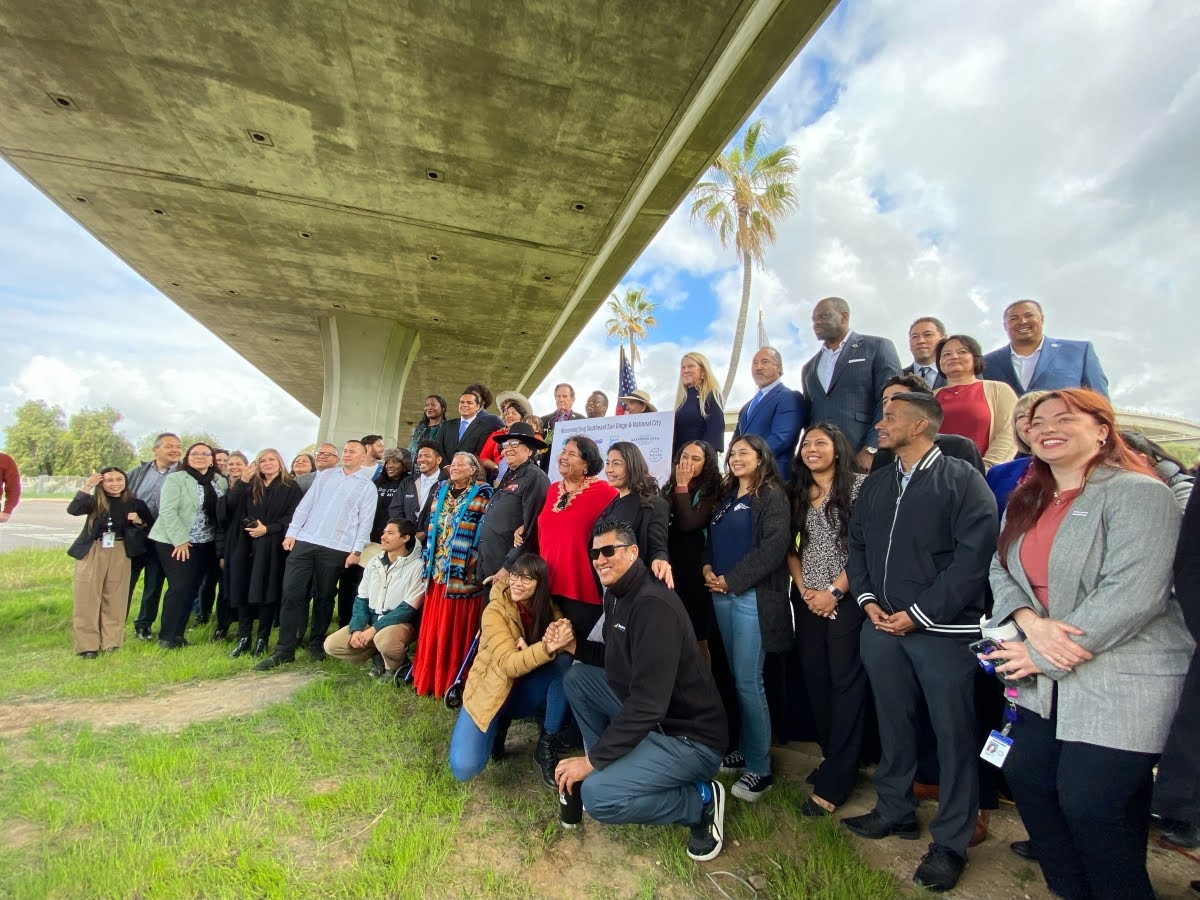
With support from the Robert Wood Johnson Foundation, Smart Growth America is continuing the Community Connectors program to help advance locally driven projects to reconnect communities separated or harmed by transportation infrastructure. This year, the program will focus on communities with divisive or dangerous arterial roads or streets that need changes to improve safety or reconnect divided neighborhoods.
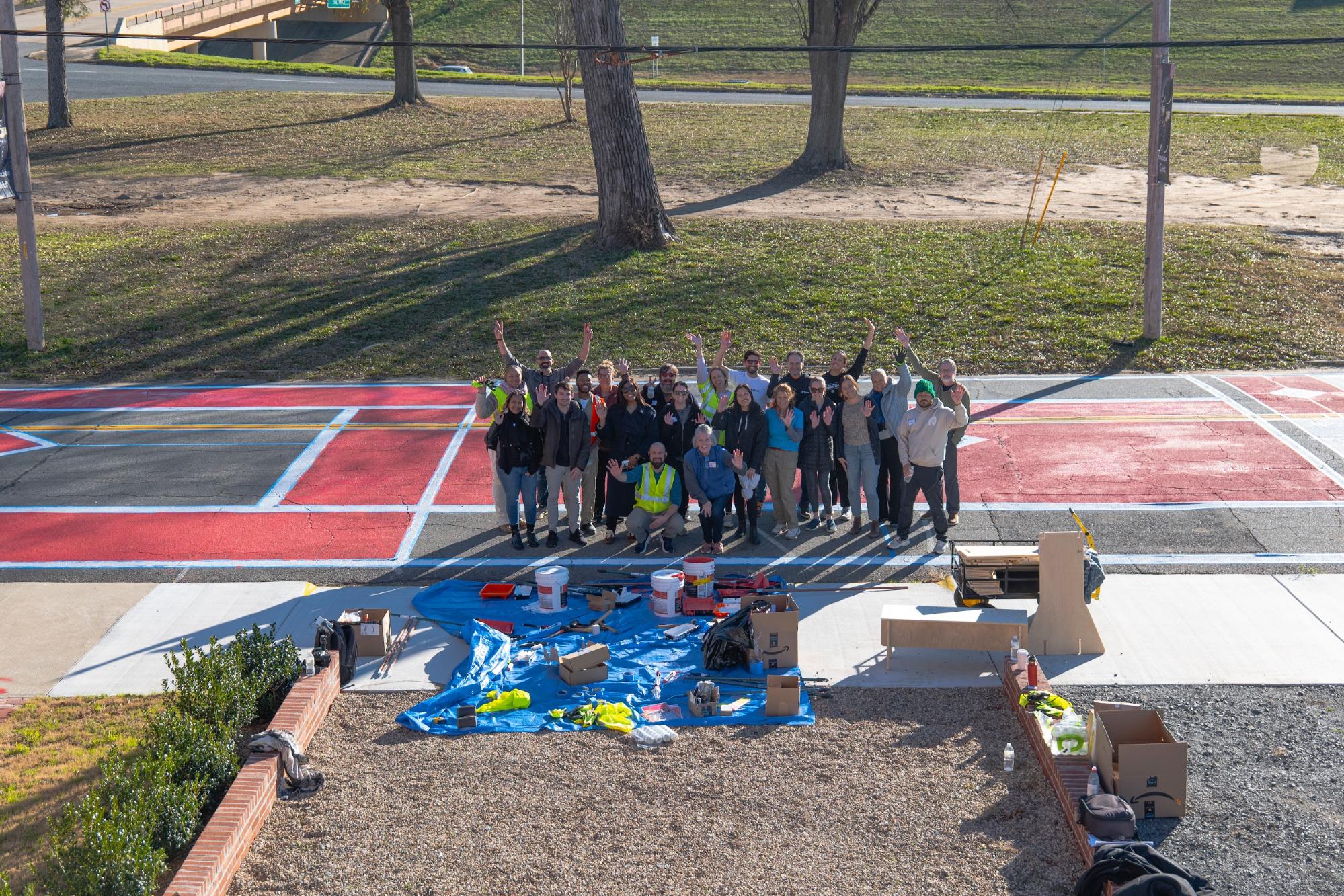
This call for applications will support three teams from small to mid-sized cities (between approximately 50,000 and 500,000 in population) to participate in a year-long cohort (August 2026 – June 2027) for training and support, culminating in the design and implementation of a temporary street safety pilot project to test out permanent changes to reconnect the community.
These joint teams consisting of local government and a community-based organization of some kind will receive in-depth instruction in building safer, complete streets through virtual training, a $25,000 grant to implement a street safety demonstration project, as much as $20,000 in in-kind support from outside engineering experts to support project design, and travel budget for a two-day convening in fall 2026 for a site visit, walk audit, training, and project design.
Applications open on May 26, 2026, and are due July 17, 2026, at 11:59 p.m. Full eligibility details and requirements are outlined on the page tabs.
Repairing the damage of divisive infrastructure
Community Connectors highlight: Harrisonburg, VA
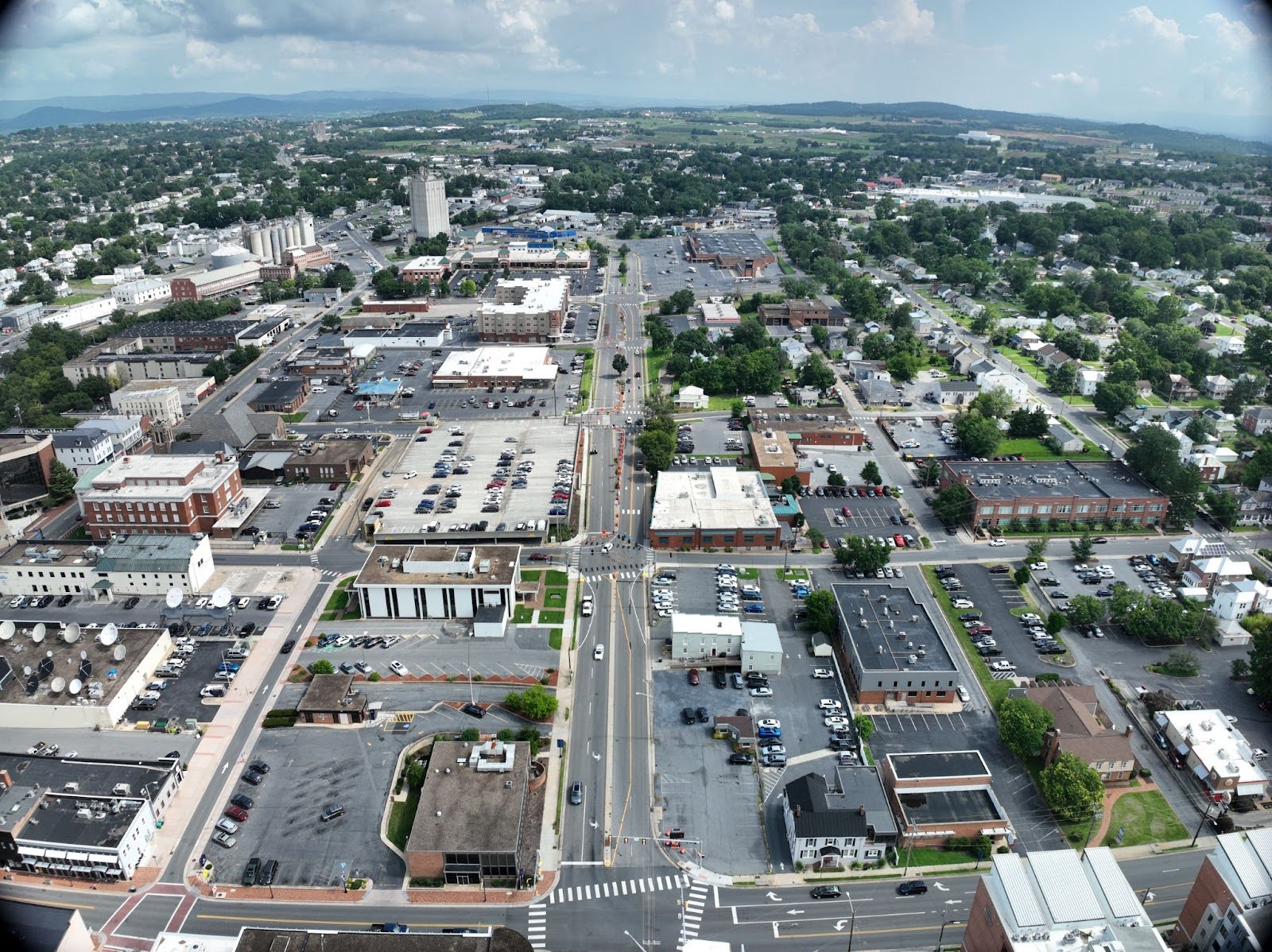
Harrisonburg, Virginia was selected for the first round of the Community Connectors program where 15 communities received capacity building subgrants and wraparound technical assistance to develop and advance ambitious projects to restore the damage of past infrastructure decisions. One of Harrisonburg’s final projects (a temporary demonstration project) helped inspire Community Connector’s ongoing focus on divisive and dangerous roadways.
 Learn more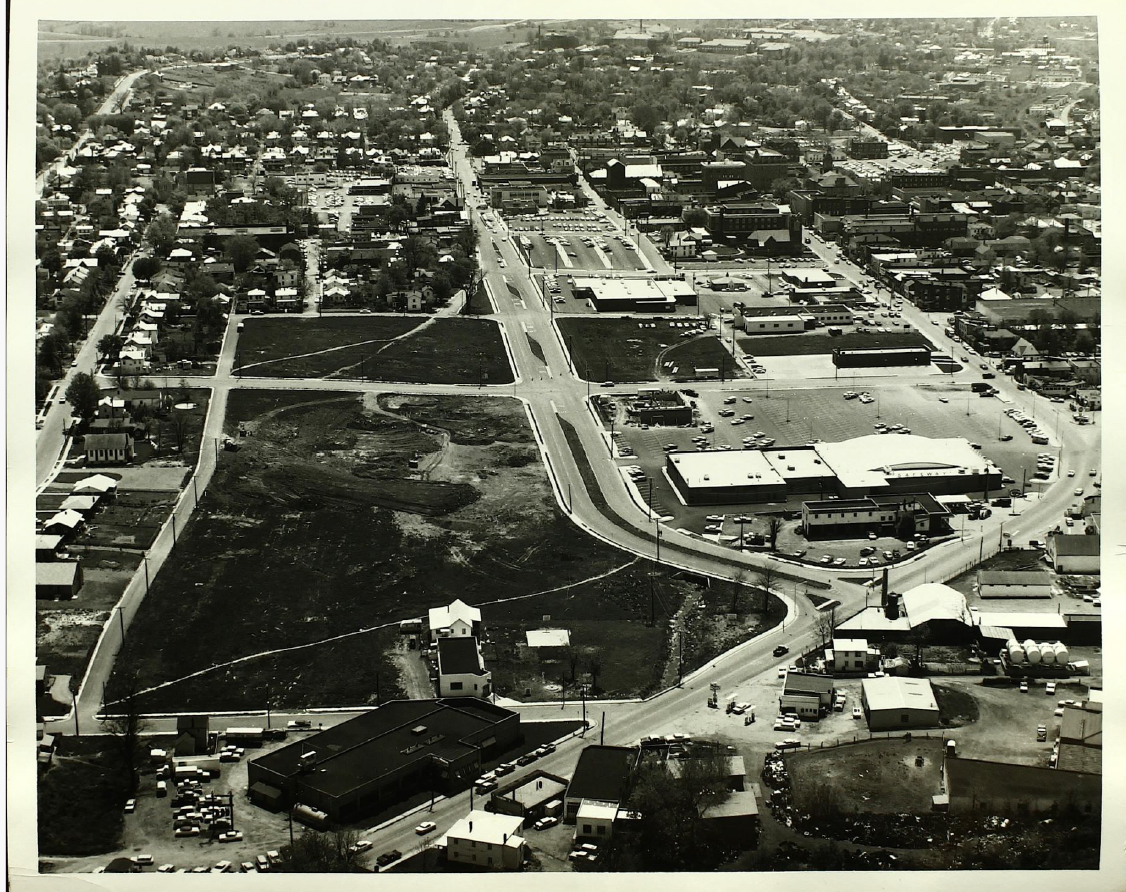
The Complete Streets Leadership Academy
This program combines a series of virtual sessions and in-person workshops for participants to develop and deploy community-led quick-build projects. Program participants are city or county staff, engineers, or planners, in partnership with community-based organizations and advocates who represent the neighborhoods and places most damaged and affected. The 30-40 hours of sessions and workshops will cover the basics of quick-build projects, including site selection, design, community engagement, and data collection. The teams will engage in peer-to-peer learning and work to identify and overcome barriers in policies and practices to implement a Complete Streets approach that can repair the damage of a divisive road.
Over the course of the workshop series, each participating local team will also collectively plan and implement a quick-build demonstration project, using proven safety countermeasures, tactical urbanism, and creative placemaking to temporarily transform a street or intersection into a safer route that is also less divisive. SGA will work with each community to help them refine the specific location for their project, but communities need to identify a tentative corridor or intersection(s) for a demonstration project in their application.
Timeline
August 2026: program kick-off with introductory calls
September 2026: virtual trainings to introduce Complete Streets and quick builds, and to build connections within the cohort
October 2026: in-person training (likely at one of the three selected cities) for building skills around community engagement and data collection, training on developing a project design, and conducting a walk audit.
November 2026: teams conduct community engagement and outreach, continued virtual trainings
December 2026: teams finalize project design
January-February 2027: virtual presentations from each team on their final design, teams procure materials for demonstration projects, and continued virtual trainings
March-April 2027: teams install quick-build demonstration projects and begin evaluation
May 2027: final project presentations from each team at a final virtual session
Applications are due by July 17, 2026, at 11:59 p.m Eastern time. You can preview the full application in this document. We recommend preparing your answers in advance in a separate document, pasting them into the online form, and submitting them all at once. Please don’t wait until the last minute to prepare and submit your application.
Before submitting the application, please ensure that you comply with the eligibility details and requirements.
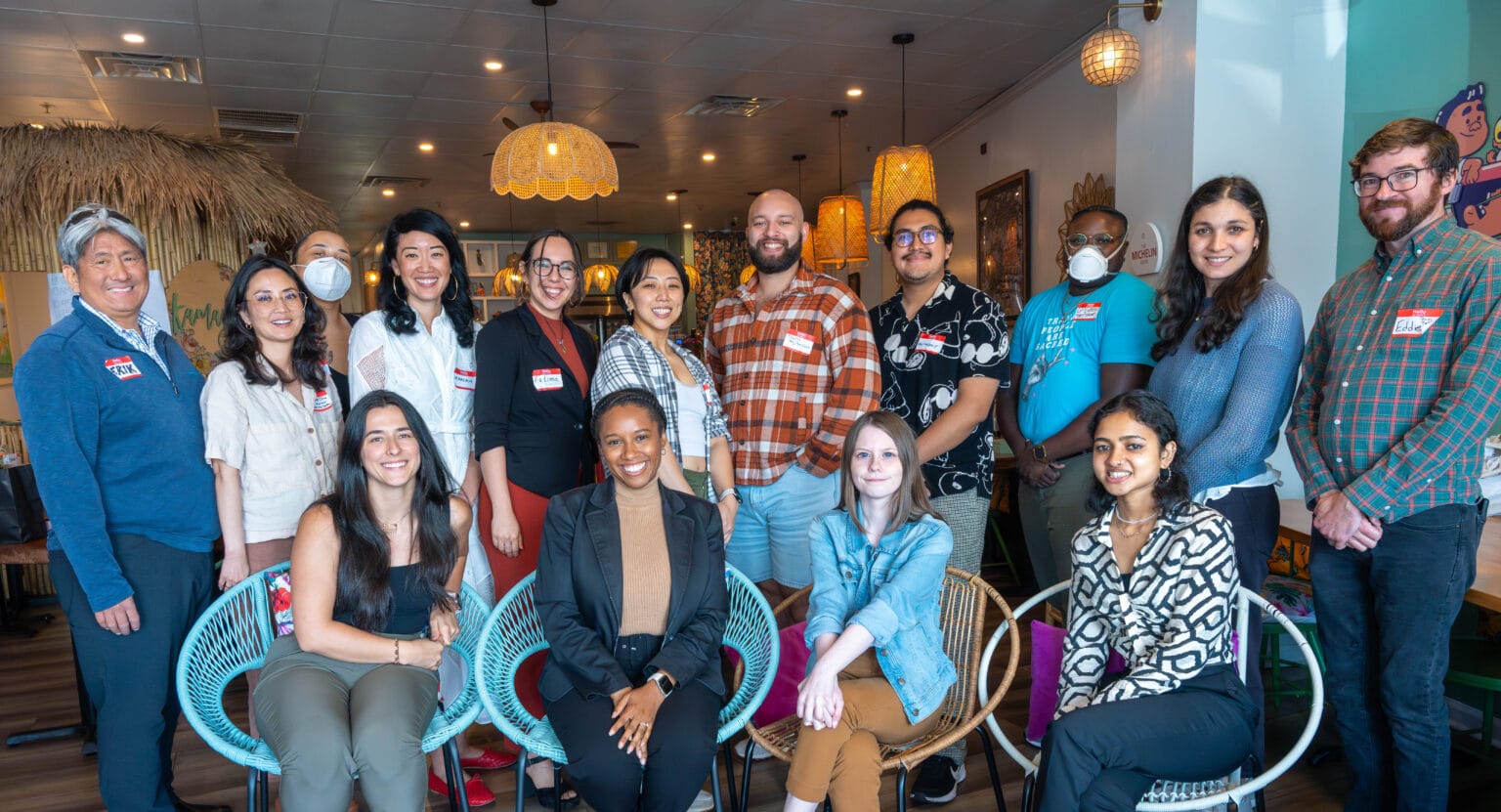
Community Connectors highlight: 2025-26 cohort
The most recent iteration of Community Connectors supported three teams to repair dangerous and divisive arterial roads with quick-build demonstration projects. To gain some hands-on experience and make progress towards their own demonstration project designs, five members of each Community Connectors team joined us for a two-day workshop hosted by Little Rock.
Learn more