With support from the Robert Wood Johnson Foundation, Smart Growth America’s Community Connectors program will support three city teams in repairing divisive infrastructure, improving safety on local arterial roads, and sparking the long-term partnerships and support necessary for making permanent reconnections.
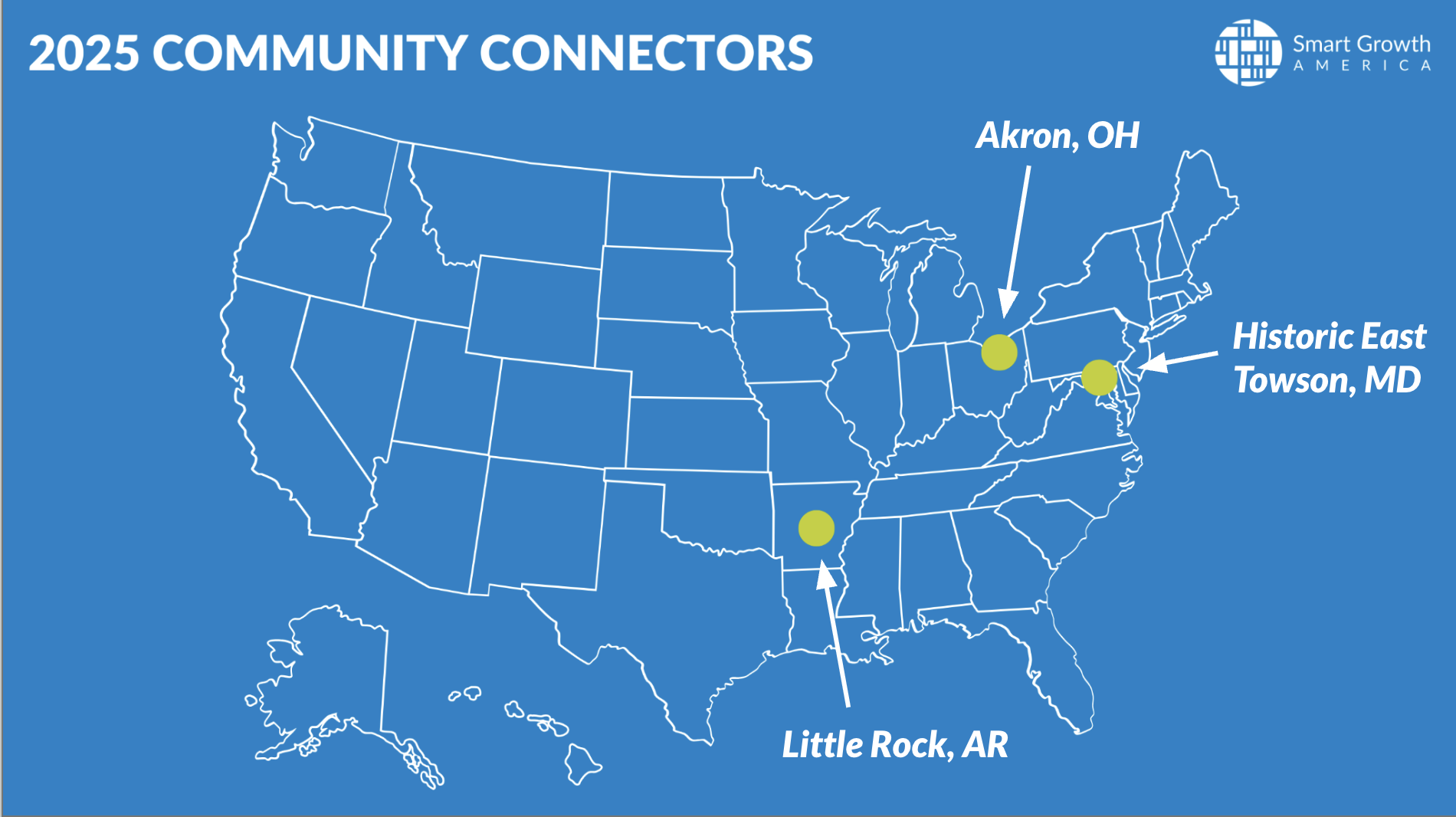
The 2025-2026 cohort includes Akron, Ohio with the Summit Lake Community Development Corporation Baltimore County, Maryland with the Northeast Towson Improvement Association of Historic East Towson, Little Rock, Arkansas with studioMAIN.
The Complete Streets Leadership Academy
This iteration of the Community Connectors program will be utilizing a proven training curriculum called the Complete Streets Leadership Academy (CSLA). This model combines a series of virtual sessions and in-person workshops to develop and deploy community-led quick-build projects on a road or street.
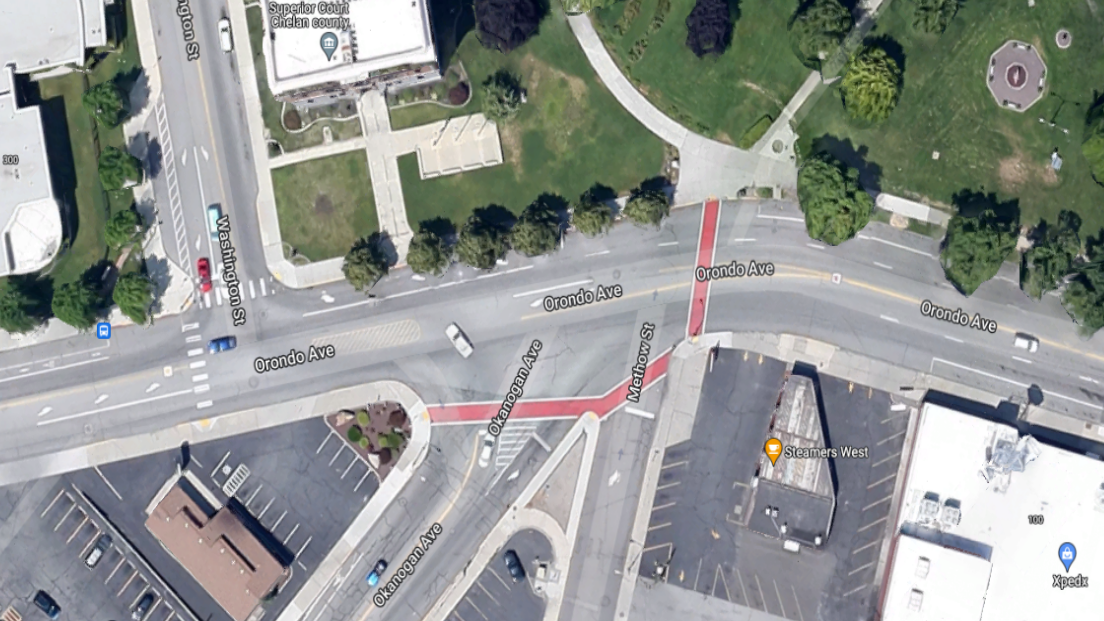
Over the course of the workshop series each participating local team will collectively plan and implement a “quick-build” demonstration project, using proven safety countermeasures, tactical urbanism, and creative placemaking to temporarily transform a street or intersection into a safer route that is also less divisive. SGA will work with each community to help them refine the specific location for their project, but communities do need to have a tentative corridor or intersection(s) identified in their application for a demonstration project.
The ~30-40 hours of sessions and workshops will cover the basics of quick-build projects including site selection, design, community engagement, and data collection. The teams will engage in peer-to-peer learning and work to identify and overcome barriers in policies and practices to implement a Complete Streets approach that can repair the damage of a divisive road.

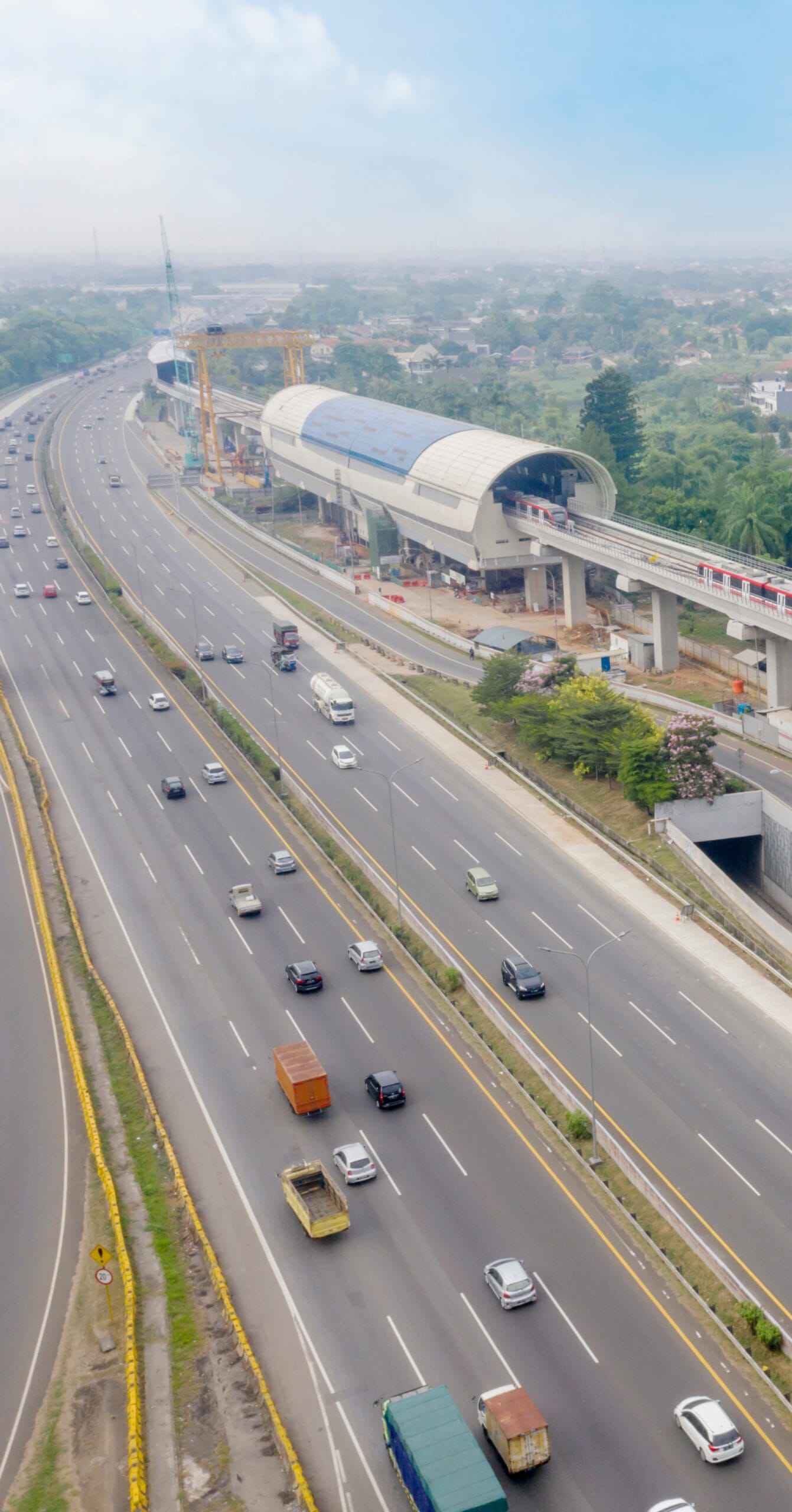
Beginning in the 1950s, highways devastated communities of color and changed our cities forever. But the consequences continue, even as we begin to acknowledge our past mistakes. Why?
Our report, Divided by Design, examines the racist roots of our current transportation system, revealing that flawed thinking continues to haunt our policies and practices. Without a fundamental change to the overall approach to transportation, today’s leaders and transportation professionals, no matter their intent, will perpetuate and exacerbate the damage.
To create a better system, we can’t settle for small changes. We need a total shift in approach.
Repairing the damage of divisive infrastructure
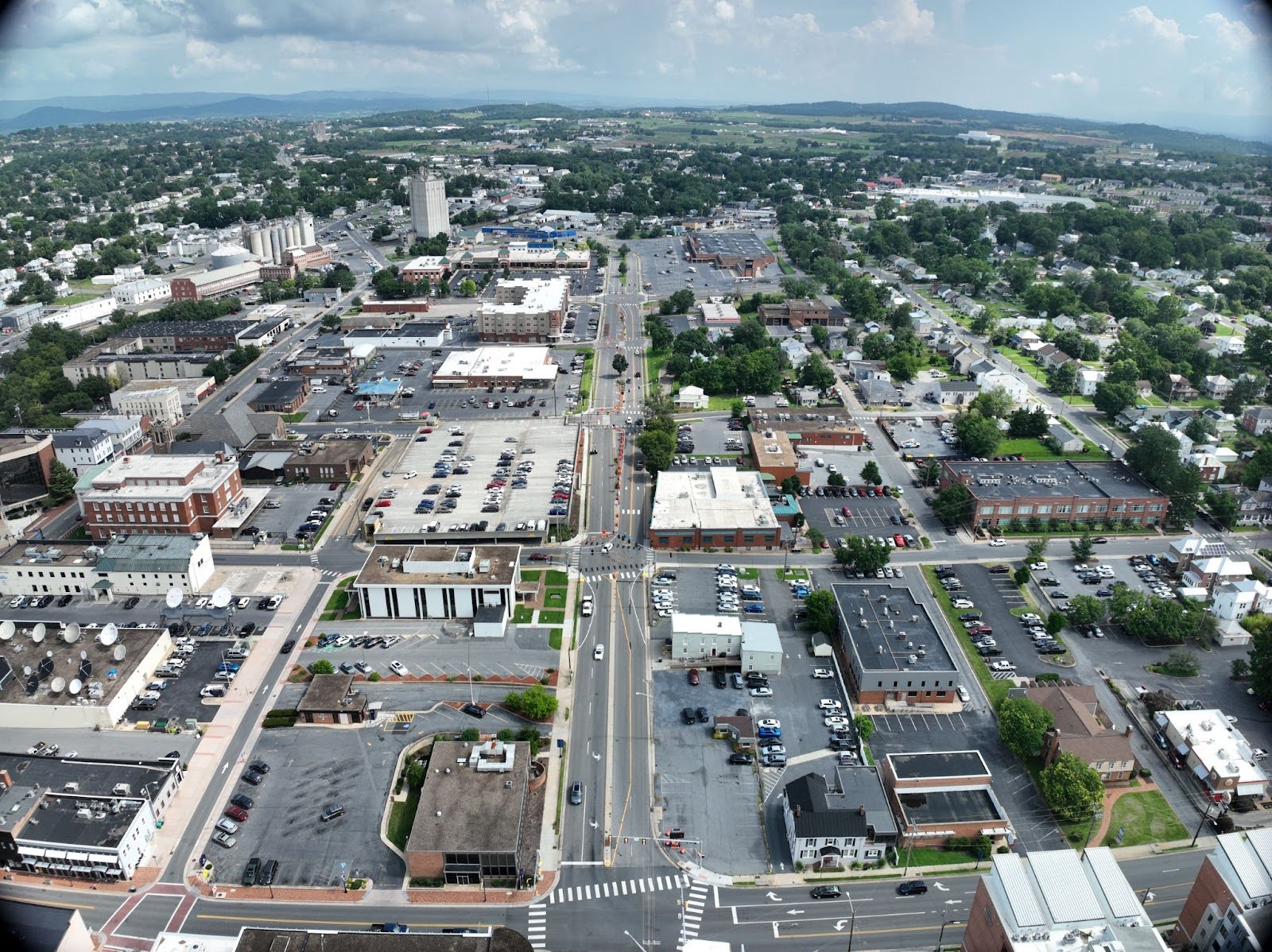
Community Connectors: Free tools for advocates
While only three teams/cities will be selected for this program, anyone advancing similar projects can tap Transportation for America’s Community Connectors portal of resources. (Transportation for America is a program of Smart Growth America.)
Whether trying to stop a divisive, destructive, and unaffordable freeway expansion, steer more resources to transit, or advance a Reconnecting Communities project to remove an old highway or make wide, dangerous arterial roads a little safer for people to cross, the Community Connectors portal decodes the processes, explains common terms, clarifies the important actors, and inspires with helpful real-world stories

Celebrating progress: A closer look at our Community Connectors program
Our Community Connectors program is a capacity-building program that supports 15 teams from small to mid-sized cities to with reconnecting communities separated or harmed by transportation infrastructure. Whether it’s preventing displacement or creating more equitable opportunities for growth and prosperity, hear more from some of the passionate planners, advocates, and city leaders in our cohort who share about their work advancing locally driven projects aimed at reconnecting communities separated or harmed by transportation infrastructure.
News
Smart Growth America’s technical assistance programs work alongside and within communities of all sizes and organizations to build support for policies and practices that will lead to healthy, prosperous, and resilient places.